
Natural History Studies: Why They Matter Before a Cure Exists
When a disease is rare, building a clear understanding of how it develops over time can be one of the most significant challenges in research. Before treatments can be evaluated, researchers must first understand how the condition typically progresses.
More than 90–95% of rare diseases currently do not have an approved treatment. In many cases, this reflects gaps in foundational knowledge—particularly around how symptoms emerge, change, and vary across individuals.
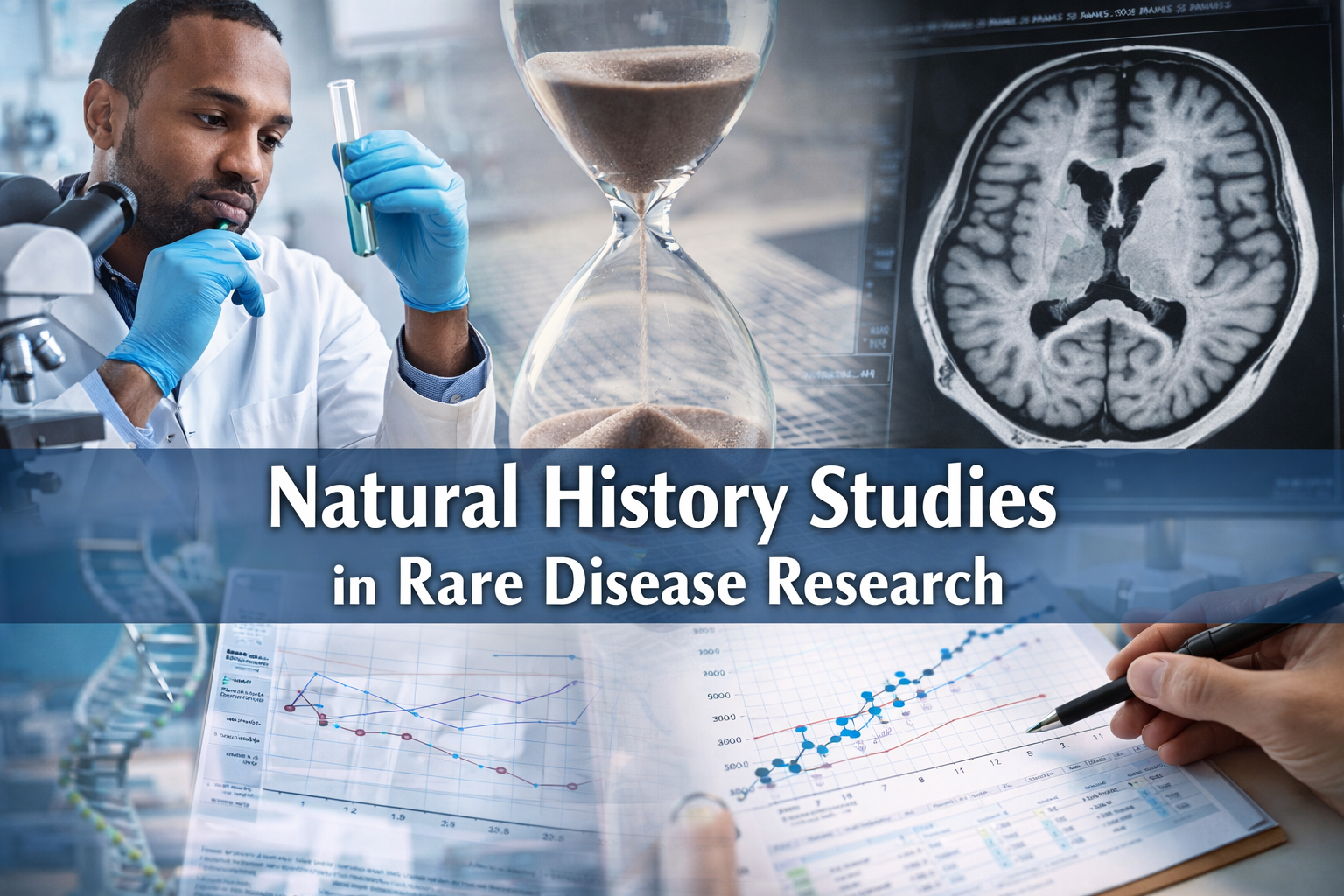
Natural history studies are designed to address this need. These studies observe individuals over time without introducing an experimental treatment, allowing researchers to document how a condition evolves in its natural state. This may include tracking physical changes, functional abilities, and other clinical features that develop over months or years.
In conditions such as H-ABC/TUBB4A related leukodystrophy, where presentation and progression can differ between individuals, this type of longitudinal observation is especially valuable. With less than 300 individuals worldwide believed to be identified to date—and the likelihood that additional individuals remain undiagnosed—developing a comprehensive understanding depends on carefully collected data over time.
Natural history research may also include retrospective studies, which analyze existing medical records, imaging, and clinical histories to identify patterns in how the disease has progressed across individuals. These approaches can be particularly useful in ultra-rare conditions, where prospective data collection alone may take many years. This type of information helps establish a baseline against which future interventions can be evaluated. Without it, it becomes difficult to determine whether observed changes are due to a treatment or part of the condition’s natural course.
Regulatory agencies, including the U.S. Food and Drug Administration, recognize the importance of natural history data in rare disease research, particularly when defining appropriate clinical trial endpoints. These endpoints may include measures such as mobility, communication, or other aspects of daily function that reflect meaningful changes in a person’s life.
The relatively small size of many rare disease populations adds another layer of complexity. In some cases, the number of known individuals may be in the hundreds—or fewer—worldwide. As a result, each data point contributes to a broader understanding of the condition.
Patient registries and collaborative data platforms have become increasingly important in this context. Efforts such as Rare-X enable the collection of longitudinal data across geographically dispersed populations, helping to build a more complete picture of the disease over time.
This type of research also supports a deeper understanding of the underlying biology of H-ABC/TUBB4A. By identifying patterns in symptoms, progression, and imaging findings, researchers are better positioned to explore targeted approaches to treatment—including emerging strategies such as gene-based therapies and molecular interventions currently under investigation.
Participation in these efforts can support research by contributing to the body of knowledge needed to design and conduct clinical studies. While natural history studies do not test therapies directly, they are often an important step in preparing for future trials.
For the H-ABC/TUBB4A community, continued efforts to document and understand the condition help inform both current care approaches and future research directions. Over time, this growing body of knowledge supports a more informed and structured path toward potential therapies.
Sources & Further Reading