

H-ABC / TUBB4A Leukodystrophy Community BLOG
Living with H-ABC/TUBB4A:Through the Eyes of Caregivers
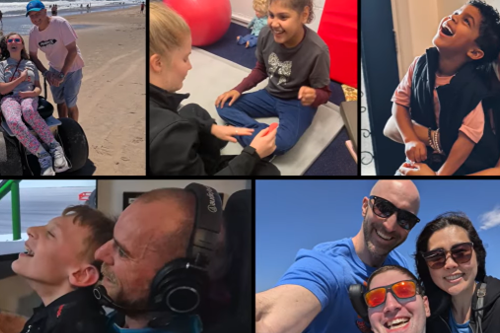
For families living with H-ABC/TUBB4A, caregiving becomes part of everyday life. It can mean appointments, therapies, equipment, advocacy, difficult decisions, and constant planning, but it also includes moments of joy, humor, pride, and a love that is hard to put into words.
In this video, five of our H-ABC families share what caregiving really looks like for them. Their stories are personal, honest, and different, but they also reflect many of the experiences shared by families throughout our community.
We hope you will take a few minutes to listen to their voices and better understand not only what it means to live with H-ABC, but also what it means to care for someone you love who has a rare disease. Caregivers carry so much for the people they love. They should not have to carry it alone.

A Major Step Forward for H-ABC Gene Therapy
There is encouraging news for the H-ABC community. Researchers at UMass Chan Medical School have received new federal funding to continue advancing gene therapy research for H-ABC/TUBB4A. This is an important milestone for work the Foundation has supported from the beginning and a reminder of what can happen when families, researchers, donors, and advocates keep pushing forward.

Progress Depends on Collaboration
In rare disease research, every family story, every sample, and every data point carries value. Families participate in studies and donors fund research because they believe each discovery can help move the entire field forward. For ultra-rare conditions such as H-ABC/TUBB4A-related leukodystrophy, progress depends on responsible collaboration, shared scientific knowledge, and a commitment to turning research investments into broader benefit for patients.

The Hidden Costs of Rare Disease Caregiving
This blog focuses on the financial pressure many caregivers face while supporting someone living with H-ABC/TUBB4A related leukodystrophy or another rare neurological disease. Beyond medical care, families may carry the cost of travel to specialists, therapies, adaptive equipment, home modifications, medications, insurance deductibles, missed work, reduced hours, and daily caregiving needs that are not always covered by insurance. The central message is that caregivers should not have to navigate the financial side of rare disease alone, and asking for help is a practical step toward protecting both family stability and caregiver well-being.

Caregiver Support: Finding Help Before You Reach Empty
This blog is written for caregivers supporting someone living with H-ABC/TUBB4A related leukodystrophy or another rare neurological disease. It acknowledges the daily strain of appointments, paperwork, insurance issues, school needs, sleep disruption, financial pressure, and emotional exhaustion, while offering practical first steps for finding support.
Caregivers are encouraged to begin with one urgent need, ask the medical team for a social worker or care coordinator, keep key records in one place, seek respite before a crisis, and connect with therapy, school, insurance, disability, and rare disease resources. The central message is simple: caregivers are often the center of the care system, and they need support too.

From One Caregiver to Another: Lightening a Load That Never Fully Lifts
Rare disease caregiving is often a quiet, constant kind of work — filled with medical vigilance, disrupted sleep, therapy schedules, appointments, financial strain, emotional uncertainty, and isolation from everyday life.
For families affected by H-ABC/TUBB4A and other rare neurological diseases, the stress reaches beyond logistics; it can affect the body, mind, relationships, and overall well-being of both the person diagnosed and the caregiver.
This blog speaks from one caregiver to another, acknowledging the weight of that responsibility while offering practical, realistic ways to reduce the stress burden and remember that caregivers need care, support, and compassion too.
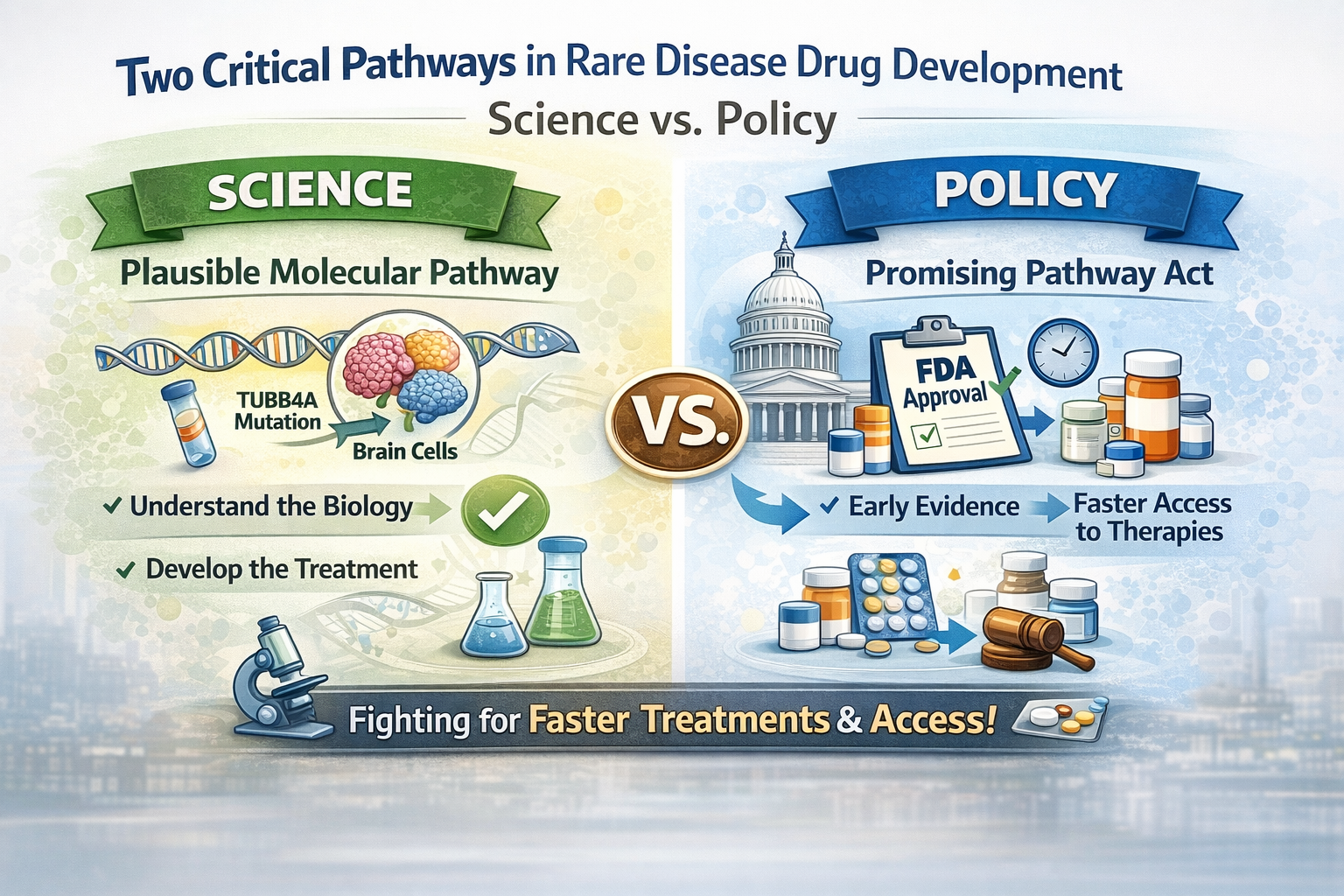
Understanding Two Critical Pathways in Rare Disease Drug Development: Science vs. Policy
Could two emerging policy approaches help promising treatments reach rare disease patients faster?
For families affected by H-ABC/TUBB4A-related leukodystrophy, every year without a treatment matters. The Plausible Mechanism Framework and the Promising Pathway Act are two efforts aimed at creating a clearer path for therapies being developed for rare and ultra-rare diseases. This post looks at what they are, why they matter, and what they could mean for families waiting for new treatment options.