
BLOG ARCHIVE
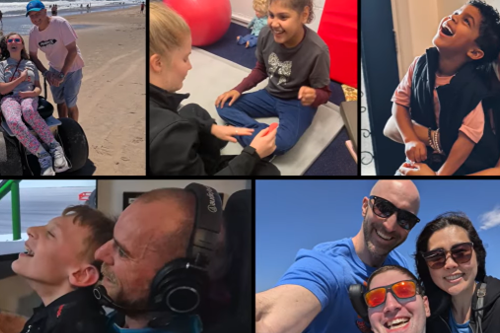
For families living with H-ABC/TUBB4A, caregiving becomes part of everyday life. It can mean appointments, therapies, equipment, advocacy, difficult decisions, and constant planning, but it also includes moments of joy, humor, pride, and a love that is hard to put into words.
In this video, five of our H-ABC families share what caregiving really looks like for them. Their stories are personal, honest, and different, but they also reflect many of the experiences shared by families throughout our community.
We hope you will take a few minutes to listen to their voices and better understand not only what it means to live with H-ABC, but also what it means to care for someone you love who has a rare disease. Caregivers carry so much for the people they love. They should not have to carry it alone.

There is encouraging news for the H-ABC community. Researchers at UMass Chan Medical School have received new federal funding to continue advancing gene therapy research for H-ABC/TUBB4A. This is an important milestone for work the Foundation has supported from the beginning and a reminder of what can happen when families, researchers, donors, and advocates keep pushing forward.

In rare disease research, every family story, every sample, and every data point carries value. Families participate in studies and donors fund research because they believe each discovery can help move the entire field forward. For ultra-rare conditions such as H-ABC/TUBB4A-related leukodystrophy, progress depends on responsible collaboration, shared scientific knowledge, and a commitment to turning research investments into broader benefit for patients.

This blog focuses on the financial pressure many caregivers face while supporting someone living with H-ABC/TUBB4A related leukodystrophy or another rare neurological disease. Beyond medical care, families may carry the cost of travel to specialists, therapies, adaptive equipment, home modifications, medications, insurance deductibles, missed work, reduced hours, and daily caregiving needs that are not always covered by insurance. The central message is that caregivers should not have to navigate the financial side of rare disease alone, and asking for help is a practical step toward protecting both family stability and caregiver well-being.

This blog is written for caregivers supporting someone living with H-ABC/TUBB4A related leukodystrophy or another rare neurological disease. It acknowledges the daily strain of appointments, paperwork, insurance issues, school needs, sleep disruption, financial pressure, and emotional exhaustion, while offering practical first steps for finding support.
Caregivers are encouraged to begin with one urgent need, ask the medical team for a social worker or care coordinator, keep key records in one place, seek respite before a crisis, and connect with therapy, school, insurance, disability, and rare disease resources. The central message is simple: caregivers are often the center of the care system, and they need support too.
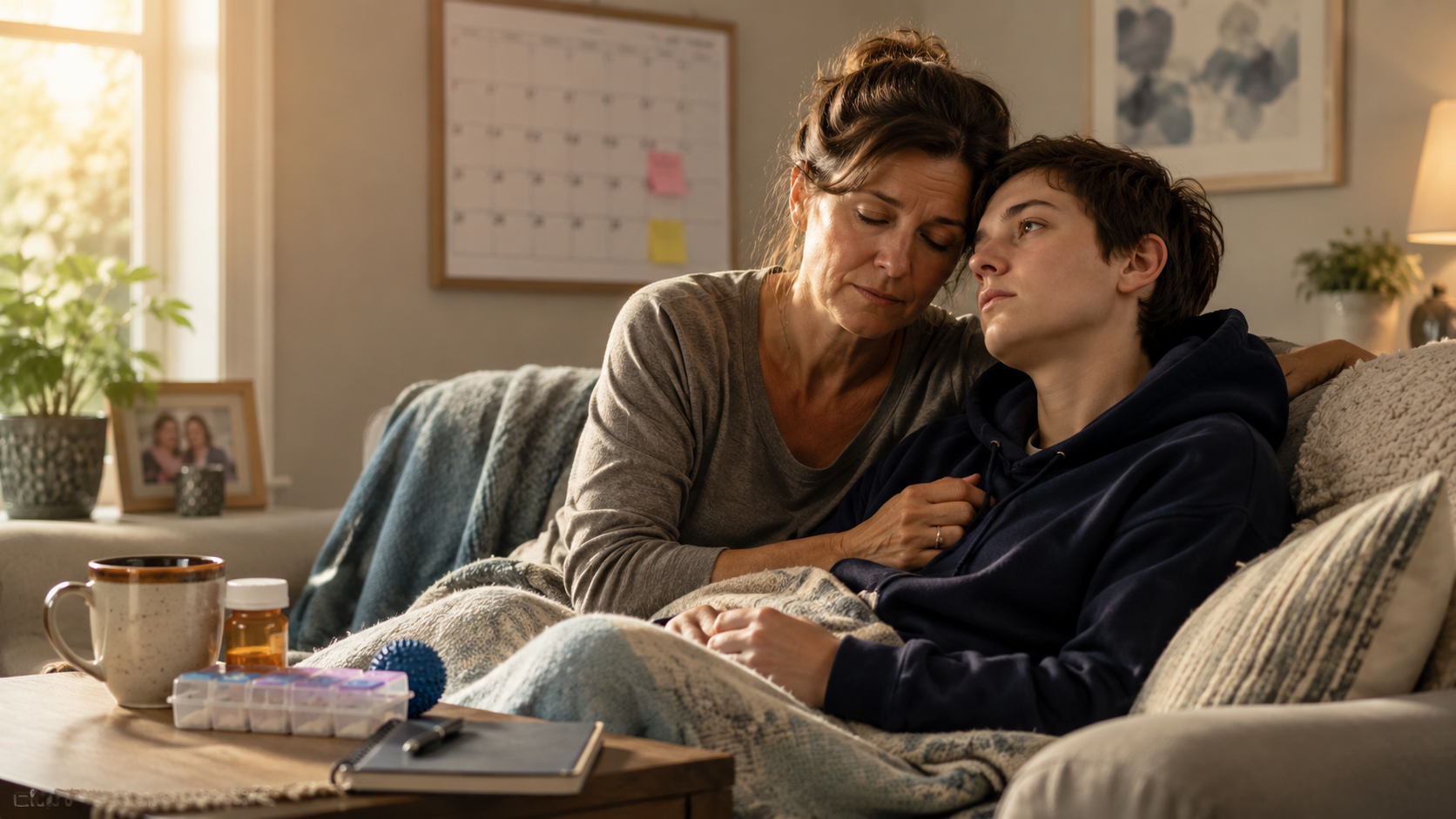
Rare disease caregiving is often a quiet, constant kind of work — filled with medical vigilance, disrupted sleep, therapy schedules, appointments, financial strain, emotional uncertainty, and isolation from everyday life.
For families affected by H-ABC/TUBB4A and other rare neurological diseases, the stress reaches beyond logistics; it can affect the body, mind, relationships, and overall well-being of both the person diagnosed and the caregiver.
This blog speaks from one caregiver to another, acknowledging the weight of that responsibility while offering practical, realistic ways to reduce the stress burden and remember that caregivers need care, support, and compassion too.
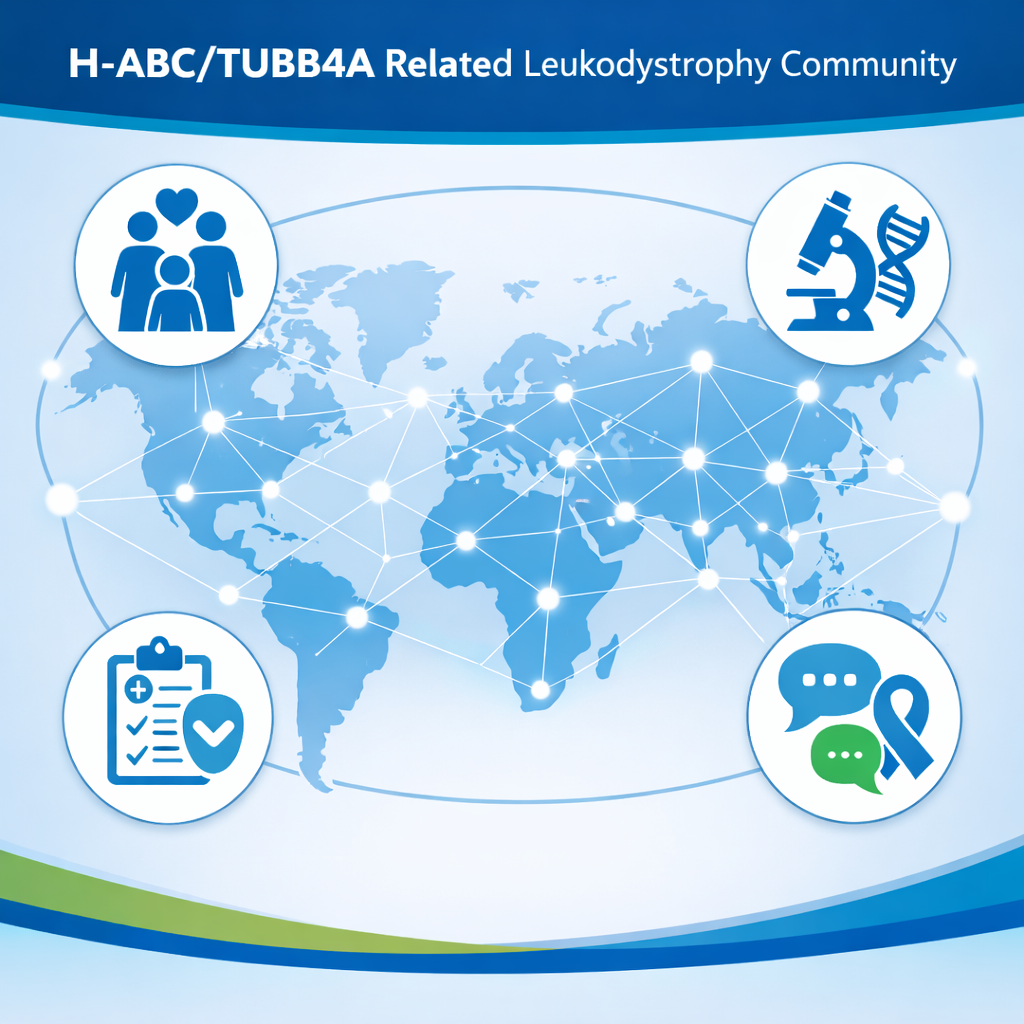
Connection within the rare disease community plays an important role in supporting both care and research, particularly for conditions such as H-ABC/TUBB4A related leukodystrophy where individuals may be geographically dispersed and limited in number. Advocacy organizations, including the Foundation to Fight H-ABC/TUBB4A, help facilitate these connections by sharing information, supporting participation in registries and studies, and fostering collaboration among families, clinicians, and researchers. Through these coordinated efforts, community engagement contributes to a broader understanding of the condition and helps support a more informed and connected approach to ongoing research and care.
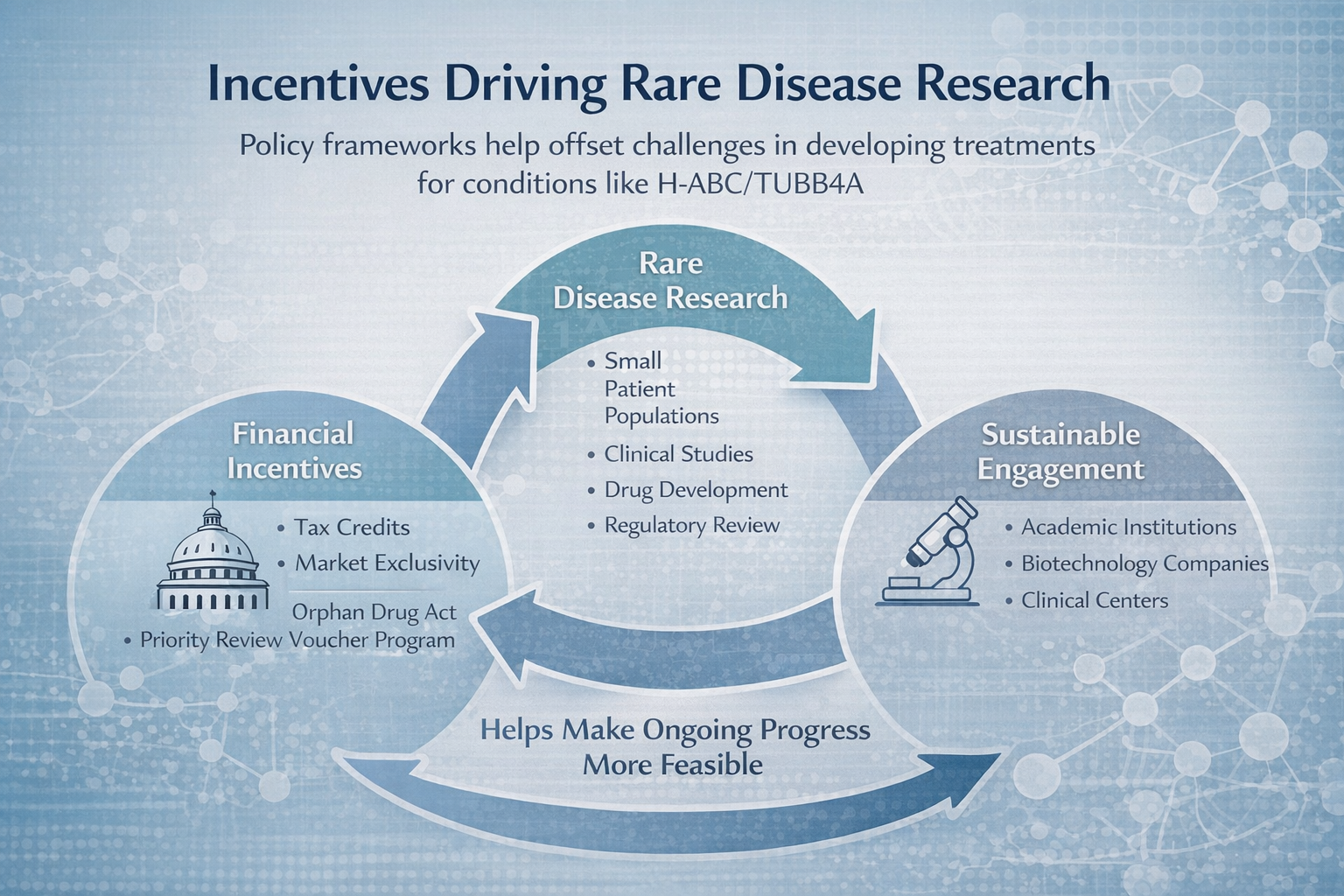
Policies such as the Orphan Drug Act and the Rare Pediatric Disease Priority Review Voucher program play an important role in supporting rare disease research by helping to offset the financial and logistical challenges associated with developing therapies for small patient populations. For conditions such as H-ABC/TUBB4A related leukodystrophy, where the number of identified individuals is limited, these incentives can influence whether research programs move forward and how resources are allocated. While they do not remove the complexities of drug development, they contribute to a framework that makes continued scientific progress more feasible and helps sustain engagement across research, clinical, and industry communities.
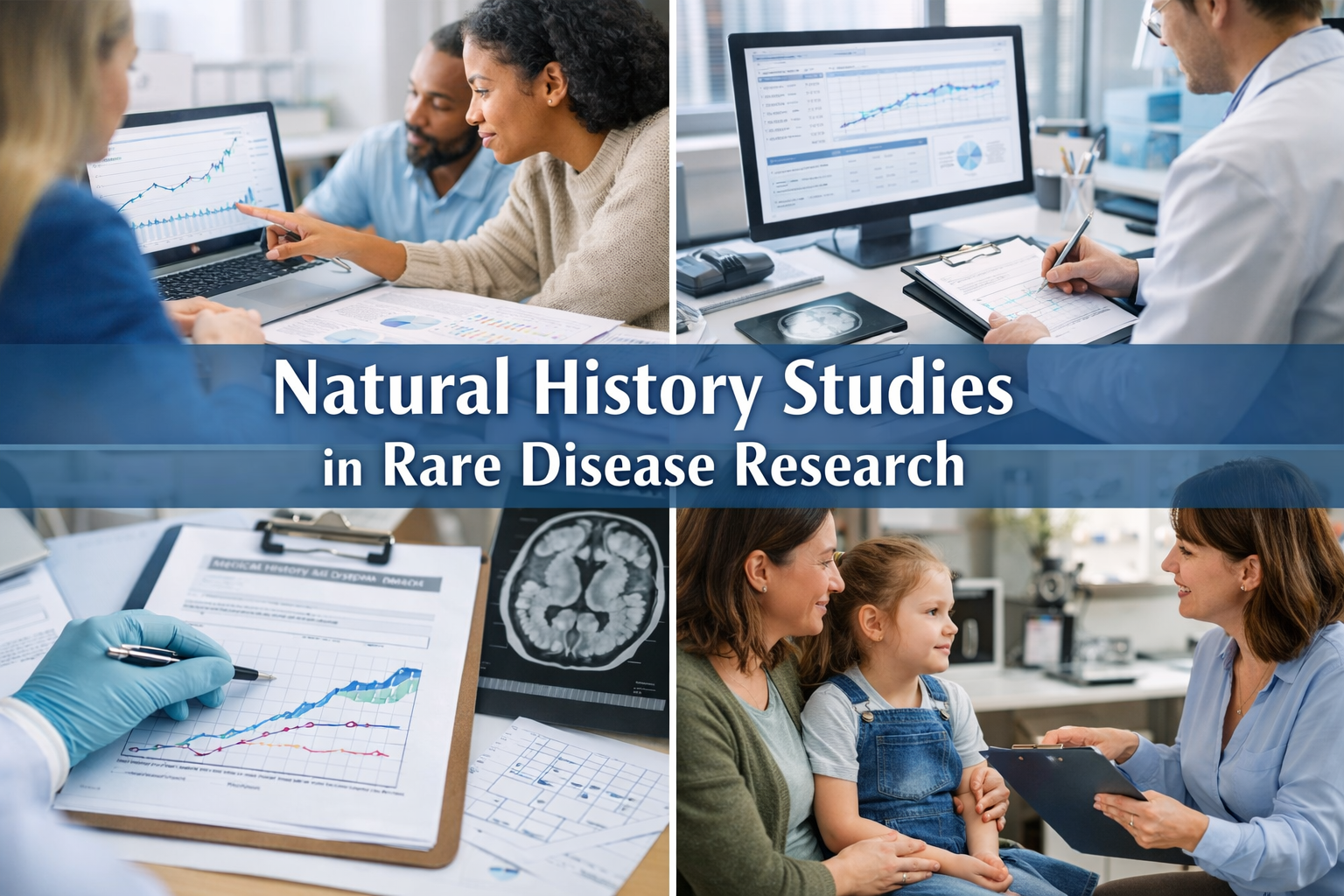
Natural history studies play an important role in rare disease research by helping to build a clear understanding of how a condition develops over time. In diseases such as H-ABC/TUBB4A related leukodystrophy, where relatively few individuals have been identified worldwide and clinical presentation can vary, this type of longitudinal observation provides essential context for interpreting change. By documenting how symptoms progress in the absence of treatment, natural history data helps inform clinical trial design, supports the identification of meaningful outcome measures, and contributes to a more structured path toward future therapeutic development.
Hope for Rare Disease Families: Congress Extends Pediatric Drug Incentive Program
Congress has extended an important federal incentive that supports the development of treatments for children with rare diseases. Through the Consolidated Appropriations Act, 2026, lawmakers renewed the Rare Pediatric Disease Priority Review Voucher program through 2029. The program allows the U.S. Food and Drug Administration to award valuable priority review vouchers to companies that successfully develop therapies for rare pediatric diseases.
On the last day of February, Rare Disease Day commands global attention — shining a light on conditions most people will never encounter, yet millions of families confront every single day.
This is not merely a date on the calendar. It is a declaration that rare does not mean invisible. It is a reminder that awareness, while vital, is only the beginning. Real progress demands relentless research, courageous advocacy, and an unwavering commitment to ensure that no life is diminished or delayed simply because a diagnosis is uncommon.
Awareness brings attention, but progress requires strategy. For H-ABC Leukodystrophy, lasting impact depends on investments in data, diagnostics, and collaboration — long before outcomes are visible. This blog outlines how thoughtful philanthropy builds durable progress.

When fewer than 10% of rare diseases have an approved treatment, the issue is not always science. For families affected by H-ABC Leukodystrophy, early-stage research funding determines whether discovery can move forward at all. Understanding this gap changes how impact is created.
Rare disease is not defined by numbers alone. It is a shared system shaped by delayed diagnosis, limited data, and under-built infrastructure — challenges experienced every day by families affected by H-ABC Leukodystrophy. Recognizing this reality changes how progress is made.

The Bridge: For a long time, the story of rare disease was told through the lens of 'scarcity'—too few patients, too much risk, and not enough funding. But we are witnessing a historic pivot. We are moving from an era of managing symptoms to an era of 'curing the incurable.’
After five wonderful years of dedicated service, we share the bittersweet news that Robert “Bob” Ziarko will be retiring from the Foundation’s Board, effective December 2025.
Each year, Giving Tuesday offers a global pause—an opportunity to come together, to give, and to make an impact. For rare disease foundations like ours, this day does more than raise funds—it raises visibility, strengthens community, and accelerates progress.

As we approach the end of October, we’re taking a moment to reflect on the incredible momentum our community has built this fall. From fundraising success to scientific progress to new leadership in our advisory team, this season has reminded us of the power of hope, collaboration, and determination. Every step forward is a step we take together- and this fall, we took some big ones.

The Foundation to Fight H-ABC is thrilled to announce the addition of Dr. Eric Mallack and Dr. Josh Bonkowsky to our Advisory Board. These two world-renowned experts bring critical expertise in clinical care, neurogenetics, and leukodystrophy research, strengthening our mission to advance understanding and treatment of H-ABC.

It's hard to believe we are now in our tenth year of advocating for those living with H-ABC/TUBB4A! We have made meaningful headway but the process is slow and complicated. Nevertheless, we continue to drive forward. Here is what we have been doing.

In July, NBC News featured a powerful story on H-ABC/TUBB4A leukodystrophy, highlighting the challenges faced by affected families and the urgent need for research. This national coverage brings much-needed awareness and shines a light on the hope and resilience within the community.

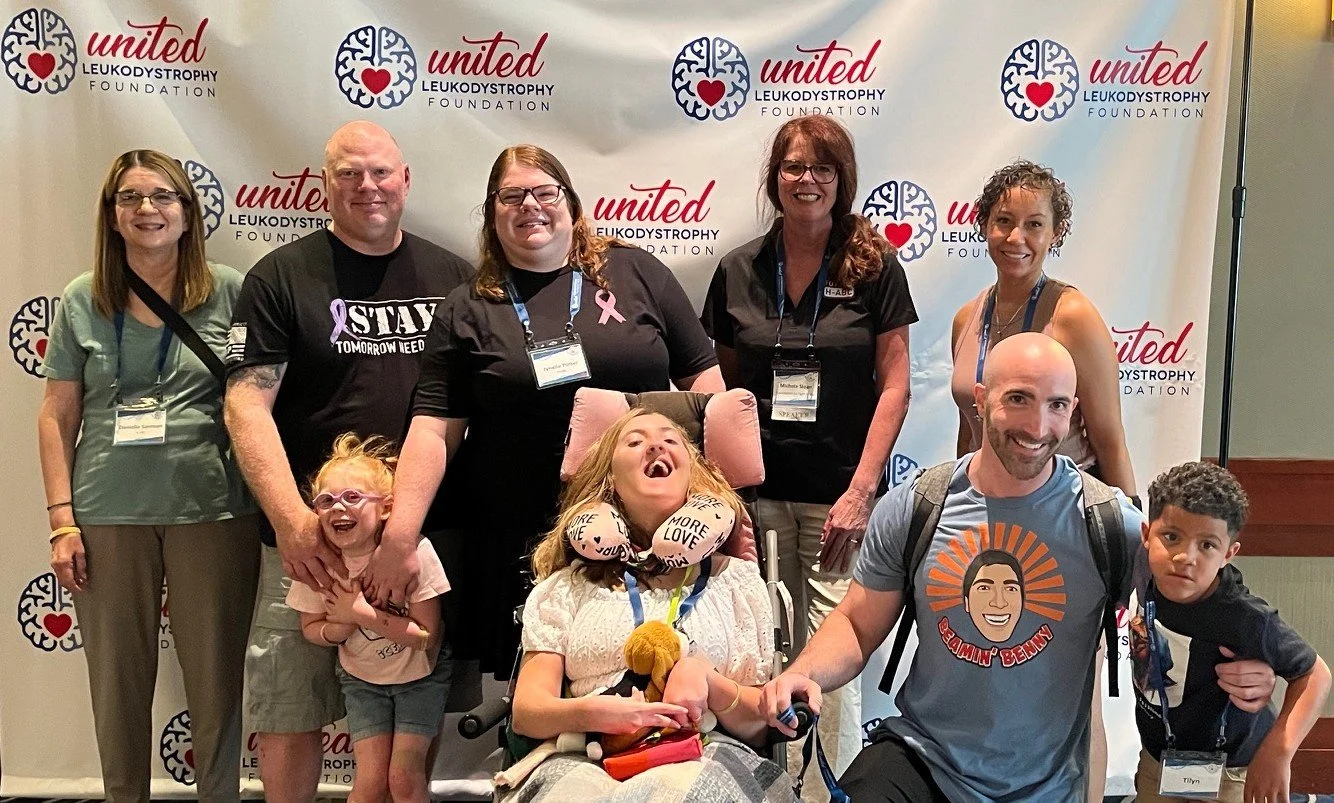
The 2025 ULF Annual Family Conference brought together families, clinicians, and researchers from across the leukodystrophy community. The Foundation to Fight H-ABC hosted a special session on H-ABC/TUBB4A, featuring leading experts, research updates, advocacy voices, and powerful family testimonials. This gathering offered knowledge, connection, and hope for everyone navigating the H-ABC journey.
[Read more & watch the full symposium →]

Watch the N-Lorem podcast and learn about the first child's journey finding and receiving a treatment for the Tubb4a gene mutation using an ASO developed by N-Lorem.

Join us June 27-28 at the ULF Family Conference in Chicago, and learn more about what we are doing at the mini symposium dedicated to H-abc/Tubb4a

On February 27-29, 2025, we joined a very productive three day conference at the Children's Hospital of Philadelphia. Key advocacy groups, scientists, researchers and biotechs came together from across the globe, to discuss various leukodystrophies.
Here we are featured with Dan Williams of Synaptix Bio and Dr. Adeline Vanderver who is the lead clinician at CHOP tied to H-abc/Tubb4a.
See link to the event, the H-abc/Tubb4a session starts right around hour 6.
https://m.youtube.com/watch?v=whPJJkBujK4&t=21218s&pp=2AHipQGQAgE%3D

A day, actually an entire week dedicated to raising awareness around rare disease on the Hill. We joined approximately 1000 advocates from across 50 states who descended upon Congress and the Senate making our case for the following:
Bringing public and congressional awareness to the unique needs of rare diseases
Addressing the challenges due to the few affected within each disease and delays in getting diagnosis
Extending the Priority Review Voucher (PRV) and Accelerated Access Care Act
Addressing the lack of specialty care, the fact patients have to travel outside of state, many of whom depend on Medicaid which won't allow coverage across state lines
Delays in treatment and loss of life as a result

Camden is an 18 year old fun loving and energetic teenager who celebrates Christmas all year round and the magic, hope, and joy that comes with the season. He enjoys time with his family, Florida State football, touching trucks, listening to contemporary Christian music, and is somehow the President of his school's Good Choice Club.

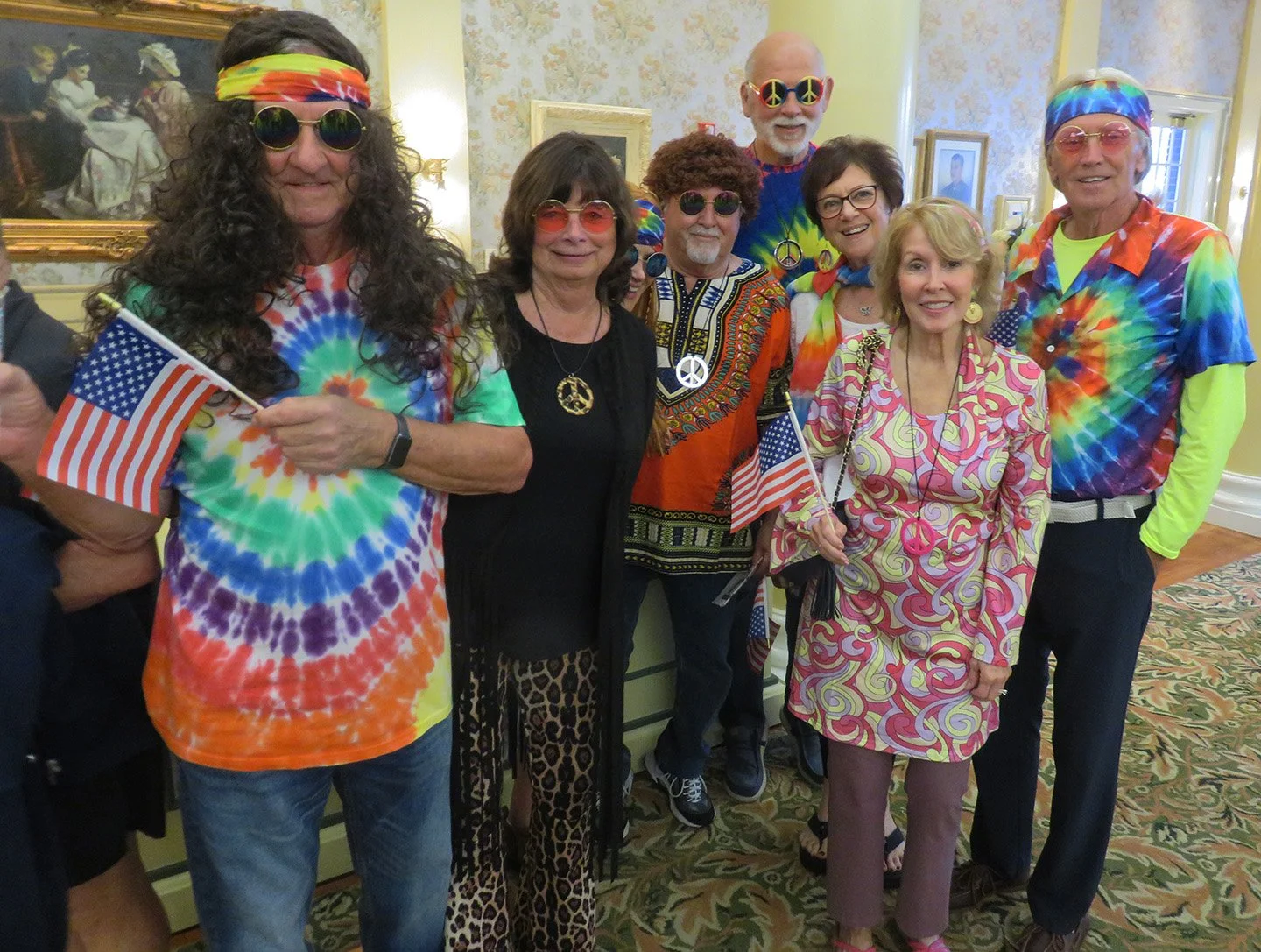
We are so excited to share that our fundraiser in February was an amazing hit! We raised approximately $50,000!! What an amazing accomplishment and we could not do it without the amazing talent of our fundraising team Bob and Mickie Ziarko, their family and friends, the amazing H-abc families who joined us on stage, and The Village people! Thank you everyone for your incredible support!
See LINK to the news media coverage!

The Foundation to Fight H-abc is recruiting patients living with confirmed diagnosis of H-abc/Tubb4a related Leukodystrophy for a study for drug repurposing.
The process of drug repurposing uses AI to identify the most promising uses for a specific disease using existing drugs. Then, for our study, the top matches are tested against patient RNA to determine what is a viable candidate. Machine learning is very well-suited to identifying these patterns, which a researcher would not be able to at the same magnitude. Because generic, FDA-approved drugs have a known safety profile and are already manufactured and available worldwide, often with substantial data already existing to support the potential new use, drugs can go through an accelerated research process. These drugs can get to patients quickly, in months versus decades, at a low cost of less than 1% of new drug development.
Go to our Resource/Drug Repurposing page for more information and sign up for this study: https://www.h-abc.org/drug-repurposing
Synaptix Bio urgently needs your support to renew the Priority Review Voucher (PRV) program, a vital tool that provides financial incentives to accelerate clinical trials and speed up the FDA review process here in the U.S.
The PRV program was expected to be extended by Congress last December but remains unapproved due to other legislative priorities. Your voice can help change that.
https://everylifefoundation.org/rare-advocates/take-action/