

H-ABC / TUBB4A Leukodystrophy Community BLOG
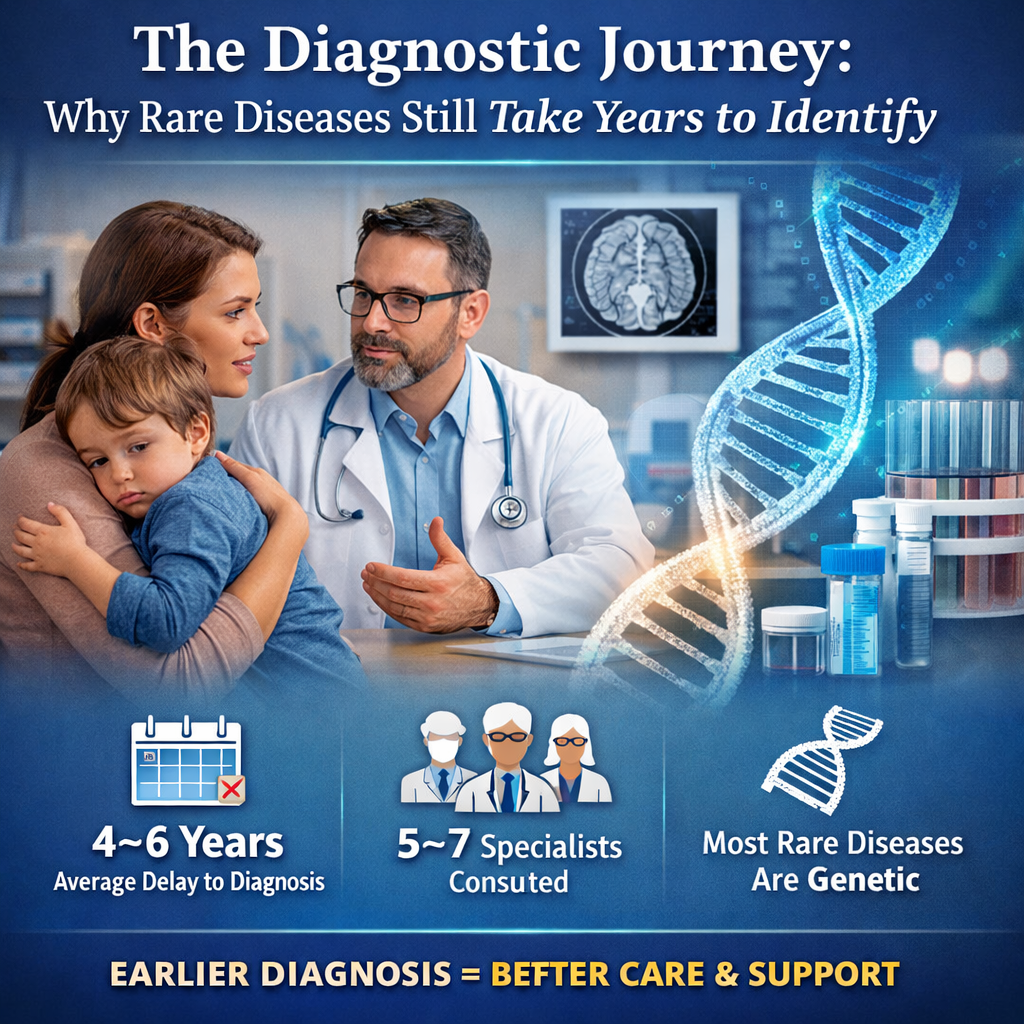
The Diagnostic Journey: Why Rare Diseases Still Take Years to Identify
The path to a diagnosis for H-ABC/TUBB4A and other rare diseases is often long and complex, with families frequently waiting years, seeing multiple specialists, and facing misdiagnoses before reaching answers. With an average delay of 4–6 years and most rare diseases being genetic, timely access to testing remains a critical challenge, impacting care and support. Earlier diagnosis can significantly improve outcomes by connecting families to appropriate care, resources, and research opportunities, making continued efforts to strengthen diagnostic pathways essential.
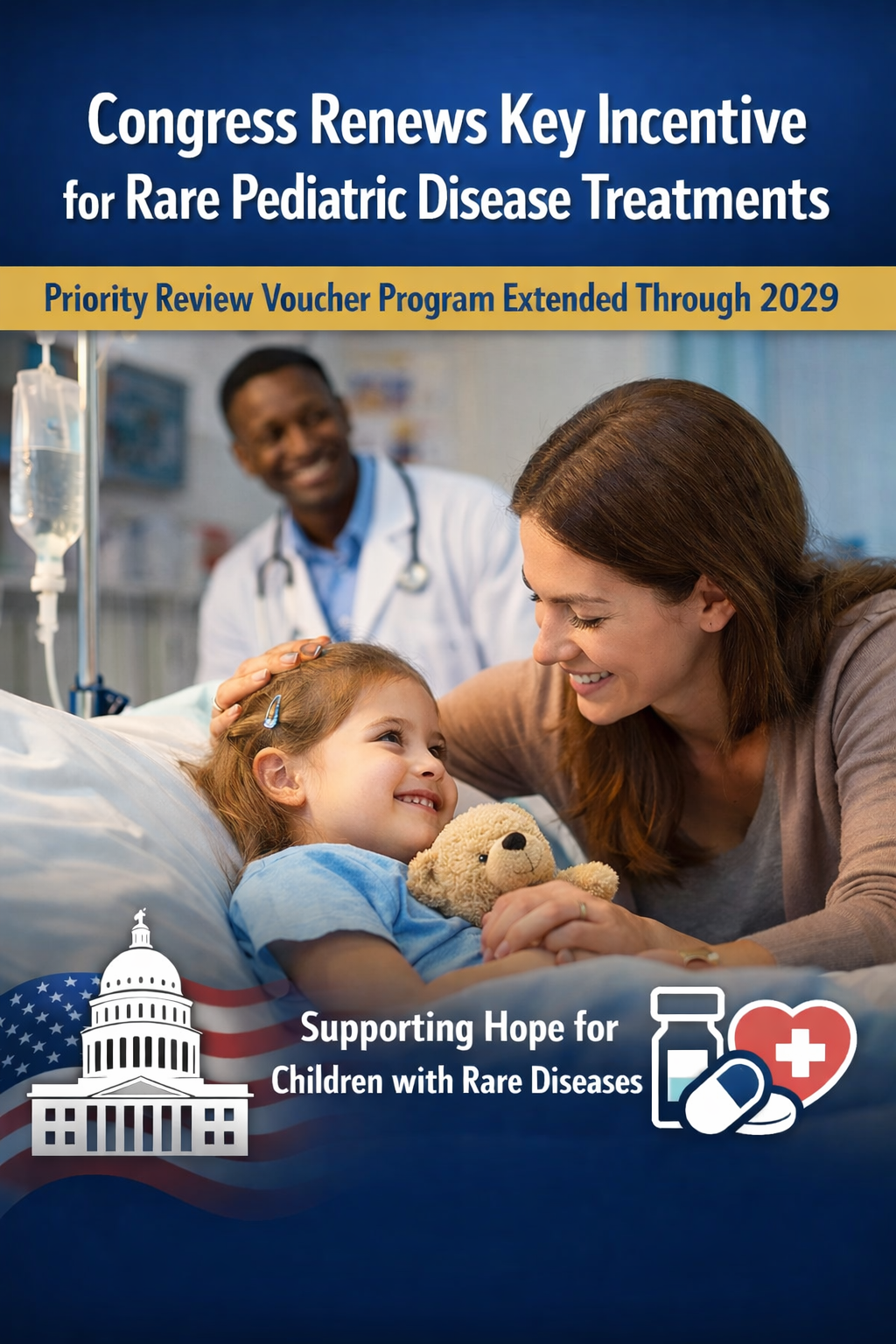
Federal Incentive for Rare Pediatric Disease Therapies Extended Through 2029
Hope for Rare Disease Families: Congress Extends Pediatric Drug Incentive Program
Congress has extended an important federal incentive that supports the development of treatments for children with rare diseases. Through the Consolidated Appropriations Act, 2026, lawmakers renewed the Rare Pediatric Disease Priority Review Voucher program through 2029. The program allows the U.S. Food and Drug Administration to award valuable priority review vouchers to companies that successfully develop therapies for rare pediatric diseases.
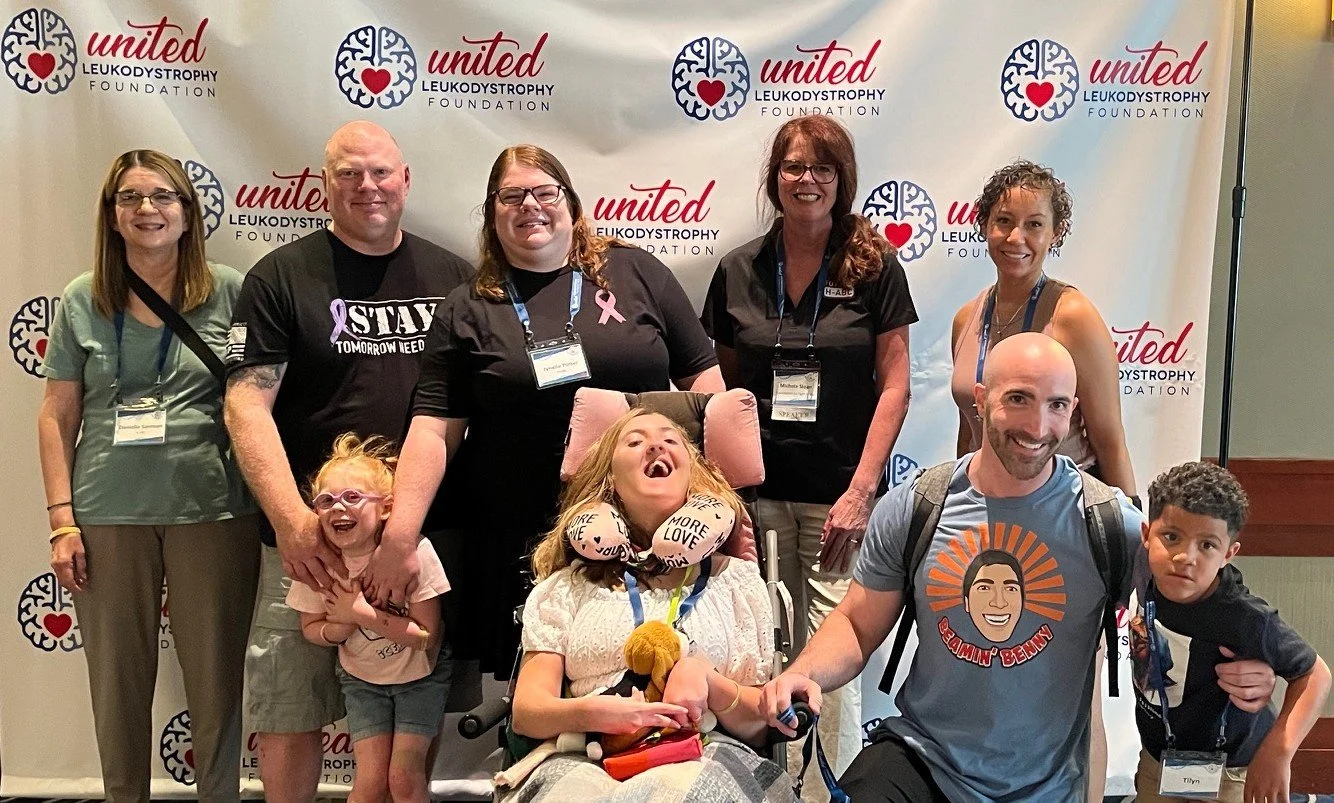
The Ripple Effect of Rare
On the last day of February, Rare Disease Day commands global attention — shining a light on conditions most people will never encounter, yet millions of families confront every single day.
This is not merely a date on the calendar. It is a declaration that rare does not mean invisible. It is a reminder that awareness, while vital, is only the beginning. Real progress demands relentless research, courageous advocacy, and an unwavering commitment to ensure that no life is diminished or delayed simply because a diagnosis is uncommon.

Strategic Philanthropy: Turning Awareness of H-ABC into Lasting Impact
Awareness brings attention, but progress requires strategy. For H-ABC Leukodystrophy, lasting impact depends on investments in data, diagnostics, and collaboration — long before outcomes are visible. This blog outlines how thoughtful philanthropy builds durable progress.

Why Early-Stage Funding Changes Everything in Rare Disease — Including H-ABC/TUBB4A
When fewer than 10% of rare diseases have an approved treatment, the issue is not always science. For families affected by H-ABC Leukodystrophy, early-stage research funding determines whether discovery can move forward at all. Understanding this gap changes how impact is created.
Rare Disease Is Not Small — It Is a System Hiding in Plain Sight
Rare disease is not defined by numbers alone. It is a shared system shaped by delayed diagnosis, limited data, and under-built infrastructure — challenges experienced every day by families affected by H-ABC Leukodystrophy. Recognizing this reality changes how progress is made.

The Bridge
The Bridge: For a long time, the story of rare disease was told through the lens of 'scarcity'—too few patients, too much risk, and not enough funding. But we are witnessing a historic pivot. We are moving from an era of managing symptoms to an era of 'curing the incurable.’
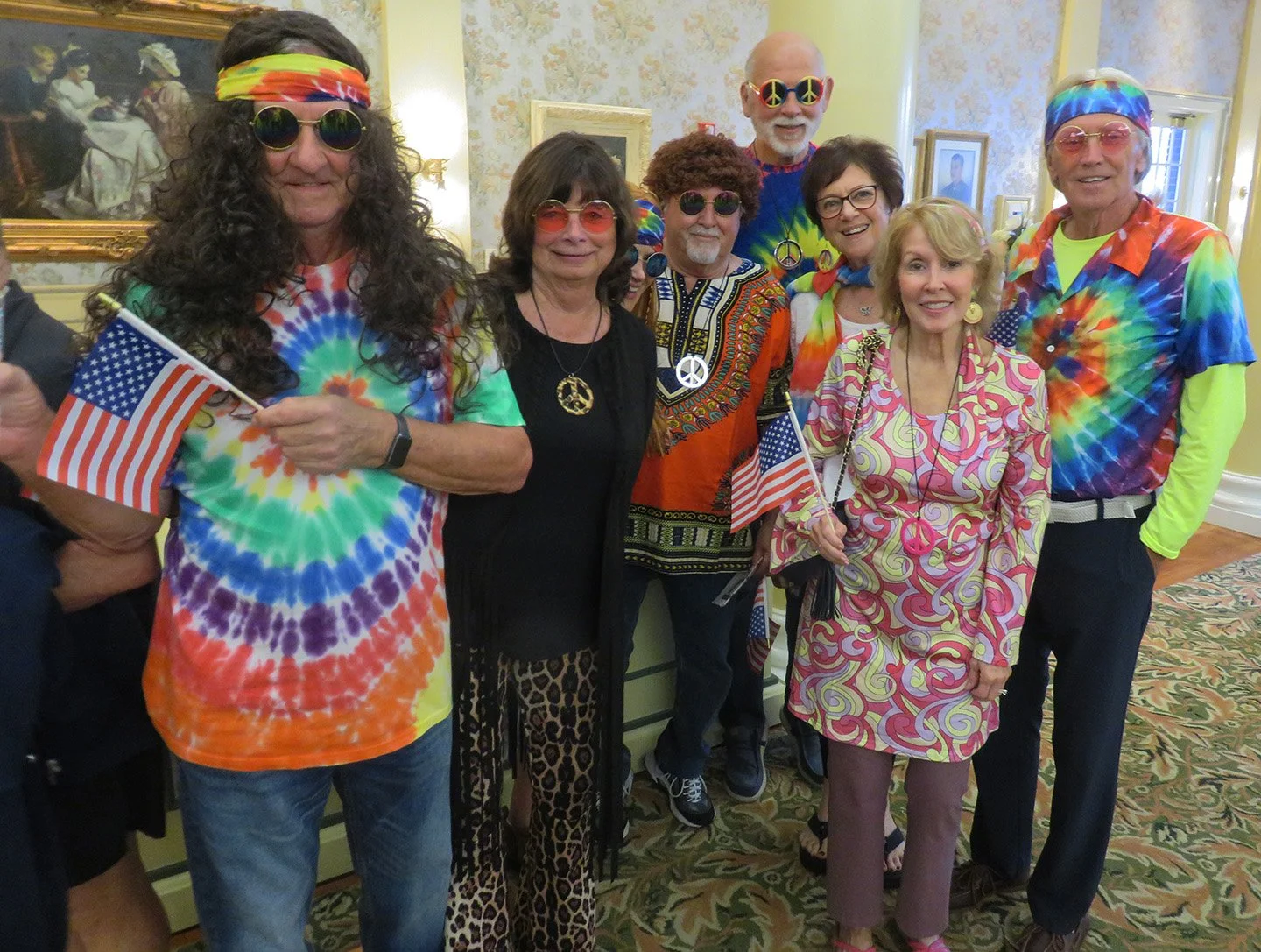
Five Years of Impact: Honoring Bob Ziarko
After five wonderful years of dedicated service, we share the bittersweet news that Robert “Bob” Ziarko will be retiring from the Foundation’s Board, effective December 2025.